When it comes to maintaining your home, few things are as critical as ensuring your chimney is in good condition. In Cleveland, Ohio, the climate can be particularly unforgiving, with harsh winters and humid summers, which can take a toll on your chimney over time. When repairs are necessary, choosing the right materials is vital not only for restoring functionality but also for enhancing the longevity of your chimney. With myriad options available, understanding what each material brings to the table will help you make informed decisions that suit your specific needs.
Understanding Common Chimney Materials
Chimneys are typically constructed from a combination of materials, each serving a distinct purpose. The most common materials you'll encounter include brick, stone, concrete, and metal. Knowing the characteristics of these materials can guide you in selecting the best fit for your repair needs.
Brick
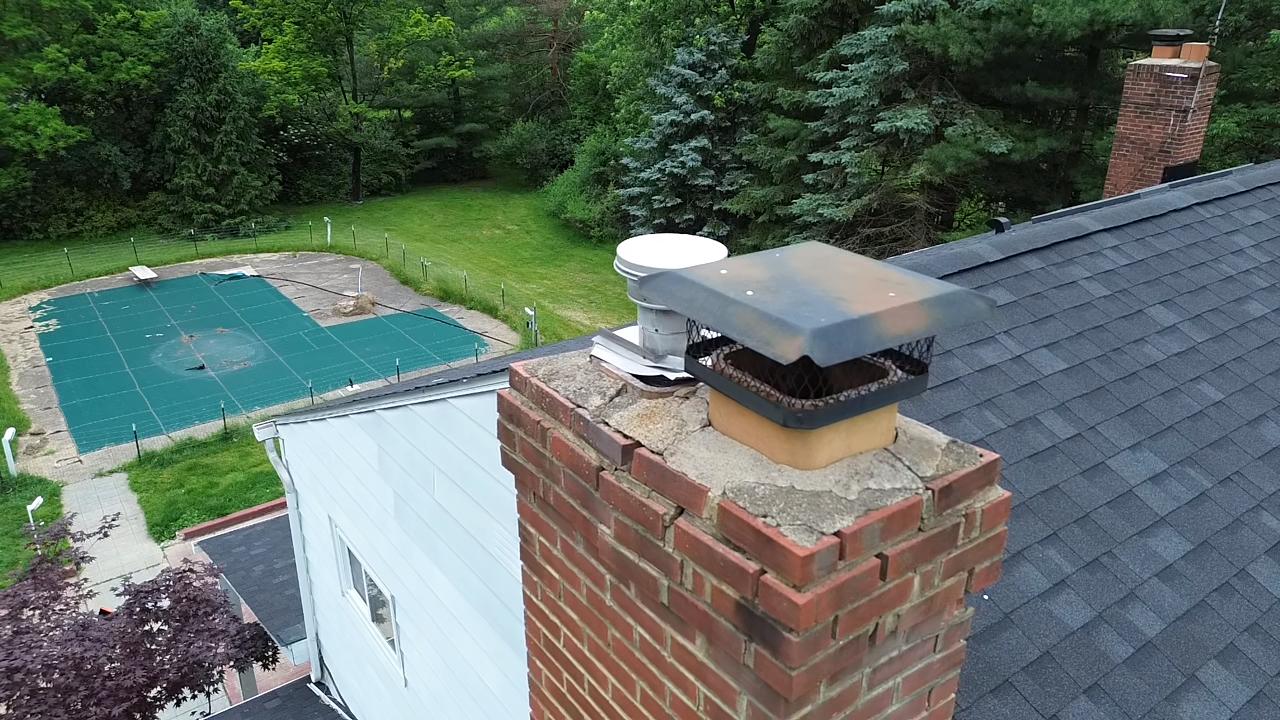
Brick chimneys are renowned for their durability and aesthetic appeal. They provide excellent thermal insulation and have a long lifespan when properly maintained. However, they can be susceptible to water damage if not adequately sealed or if moisture gets trapped within their structure. For repairs, using high-quality mortar that is specifically designed for masonry work is essential. This ensures that the repaired sections bond well with existing bricks and withstands the elements.
Stone
Stone chimneys offer a rustic charm that many homeowners love; however, they can be more challenging to work with than brick due to their irregular shapes and varying sizes. Natural stone tends to absorb moisture more than other materials unless treated appropriately. If you're considering repairs with stone, ensure you choose stones that match your existing chimney's type and color for aesthetic consistency. Additionally, using a durable epoxy or specialized masonry cement will aid in achieving strong bonds during the repair process.
Concrete
Concrete chimneys are known for their strength and fire resistance but can crack over time due to temperature fluctuations and moisture infiltration. When repairing concrete chimneys, opting for high-strength concrete mixes or patching compounds will yield better results. These compounds often contain additives that enhance their durability against weather extremes. Keep in mind that while concrete is sturdy, it may require additional finishing treatments to blend with other materials.
Metal
Metal chimneys are generally used in modern homes or as liners within brick or stone structures. They are lighter and easier to install compared to traditional masonry options but may not offer the chimney repair same level of insulation or aesthetic appeal. Stainless steel is a popular choice due to its resistance to corrosion; however, it can be prone to dents if struck by heavy objects or extreme weather conditions. When repairing metal chimneys, consider using high-temperature silicone sealants which provide flexibility and durability against thermal expansion.
Evaluating Your Repair Needs
Before diving into material selection, it's crucial first to assess the specific repair needs of your chimney. Factors such as age, existing damage types (e.g., cracks vs. crumbling mortar), and local building codes play significant roles in determining how extensive repairs must be.
Inspecting for Damage
Start with a thorough inspection of your chimney both inside and out. Look for signs of wear like cracks in masonry joints or efflorescence (a white powdery substance on bricks). Inside the flue liner, check for soot buildup or signs of rust if it's metal-lined. A professional inspection may reveal hidden issues such as structural weaknesses not immediately visible from the outside.
Considering Local Climate
Cleveland's unique climate should influence your choice of materials as well. For example, during winter months when temperatures drop significantly below freezing, water trapped within chimney materials can freeze and expand — leading to further cracks and deterioration over time. Selecting water-resistant sealants or frost-resistant mortars can help mitigate these risks.
Chimney Repair Cleveland OhioChoosing Between DIY vs Professional Repairs
Once you've assessed the situation and understood what materials might work best for your needs, you must decide whether this is a project you want to tackle yourself or enlist professional help.
DIY Repairs: Pros and Cons
Homeowners often turn toward DIY solutions due to cost considerations or personal pride in completing home projects themselves; however, DIY repairs come with inherent risks — especially concerning safety standards associated with chimney work.
On one hand, taking on repairs yourself allows greater control over costs; purchasing just enough material without paying labor fees can lead to significant savings. On the other hand, improper installations could lead not only to recurring problems down the line but also pose safety hazards like fires caused by faulty flue systems or inadequate sealing between joints.
If you choose this route:
- Ensure you have all necessary tools available. Follow manufacturer guidelines carefully regarding installation techniques. Consider investing time into learning proper methods through online tutorials or local workshops offered at hardware stores.
Hiring Professionals: Why It Matters
When hiring professionals like Lewis Chimney and Masonry in Cleveland Ohio, you're paying not only for labor but years of expertise honed through hands-on experience across various scenarios encountered throughout their careers.
Professional contractors understand nuances regarding local building codes that must be adhered too — ensuring that repairs meet all safety regulations without risking future liabilities should something go wrong after completion.
Their ability to source quality materials suited precisely for specific challenges means less guesswork on your part while maximizing durability overall once repairs are finished!
Sustainable Practices in Chimney Repair
As environmental consciousness grows among homeowners today—so does interest surrounding sustainable practices during renovations—including those related directly towards one’s chimney!
Utilizing eco-friendly products doesn’t mean compromising quality either! Many manufacturers now produce low-VOC (volatile organic compounds) alternatives which maintain performance levels while promoting healthier indoor air quality post-installation!
Choosing recycled bricks made from reclaimed sources rather than new ones helps reduce waste entering landfills too—making choices feel even more rewarding knowing they contribute positively towards our planet’s wellbeing!
Furthermore—consider implementing energy-efficient technologies alongside traditional repairs whenever possible! For instance—a cap placed atop chimneys helps minimize heat loss during colder months while preventing rainwater from entering flues thus reducing moisture-related issues altogether!
Budgeting Your Repair Project
Financial considerations ultimately dictate much about what kind of repair efforts get undertaken—whether by professionals or DIY initiatives alike!
Begin by establishing an estimated budget outlining how much you’re willing/able spend upfront versus future maintenance costs incurred down-the-line based upon chosen material selections plus labor fees if applicable!
Additionally—factor-in potential unforeseen expenses tied directly into project timelines resulting from unexpected damages discovered after opening up areas previously concealed away from view such as internal linings needing replacement instead just surface-level fixes!
A practical approach involves setting aside an extra 10% beyond initial estimates covering contingencies arising during projects preventing costly delays impacting overall satisfaction later onwards once everything finalized completely!
Long-Term Maintenance Strategies
Once you've completed those essential repairs utilizing suitable materials tailored specifically towards addressing unique challenges presented by local climates—it’s time shift focus onto long-term maintenance strategies ensuring investment lasts years ahead!
Regular inspections conducted annually help catch any developing issues early before they escalate requiring immediate attention later down-the-line! Cleaning flues biannually keeps buildup at bay optimizing airflow functionality reducing chances smoke escaping back indoors creating unhealthy living environments too!
Investing small amounts periodically into preventative measures pays off dividends overtime safeguarding cherished homes against future costly replacements down-the-line making proactive efforts worthwhile overall!
Additionally—consider reaching out community resources available nearby educating homeowners about safe burning practices utilizing wood-burning stoves effectively minimizing emissions released contributing cleaner air quality surrounding neighborhoods collectively benefitting everyone involved altogether ultimately fostering stronger ties within communities sharing responsibility caring environment we all inhabit together diligently safeguarding it preserving its beauty longevity generations come thereafter!

By thoughtfully selecting quality materials coupled alongside diligent care throughout processes—you’ll find peace mind knowing every step taken contributes positively towards maintaining healthy secure atmosphere within – showcasing pride ownership embodying values upheld consistently throughout lifetimes passed onward inspiring others follow suit ensuring legacies endure far beyond individual lives lived enriching places call home forevermore!
Lewis Chimney and Masonry
Cleveland, OH, United States
+1 (440) 968-5092
[email protected]
Website: https://lewischimneymasonry.com/